Engineering, Systems,
& Product Thinking
Deep dives into distributed systems, AI infrastructure, and the art of scaling high-growth platforms. Written from the perspective of a Staff Engineer.
Latest Highlight
Time and Space Complexity in DSA Interviews: The Complete Field Guide
Master the 13 time and space complexity patterns, hidden language traps, and amortized bounds tested in MAANG DSA interviews, with click-to-reveal self-tests.
Recent Writing
Model Context Protocol (MCP) Explained, Part 6: Production Battle Scars — Partial Writes, Sidecar Crashes & Fault-Tolerant Tool Execution
When tool calls lie: Handling abrupt process crashes, sidecar evictions, false success signals, and implementing the Read-Back Verify pattern in autonomous agent pipelines.
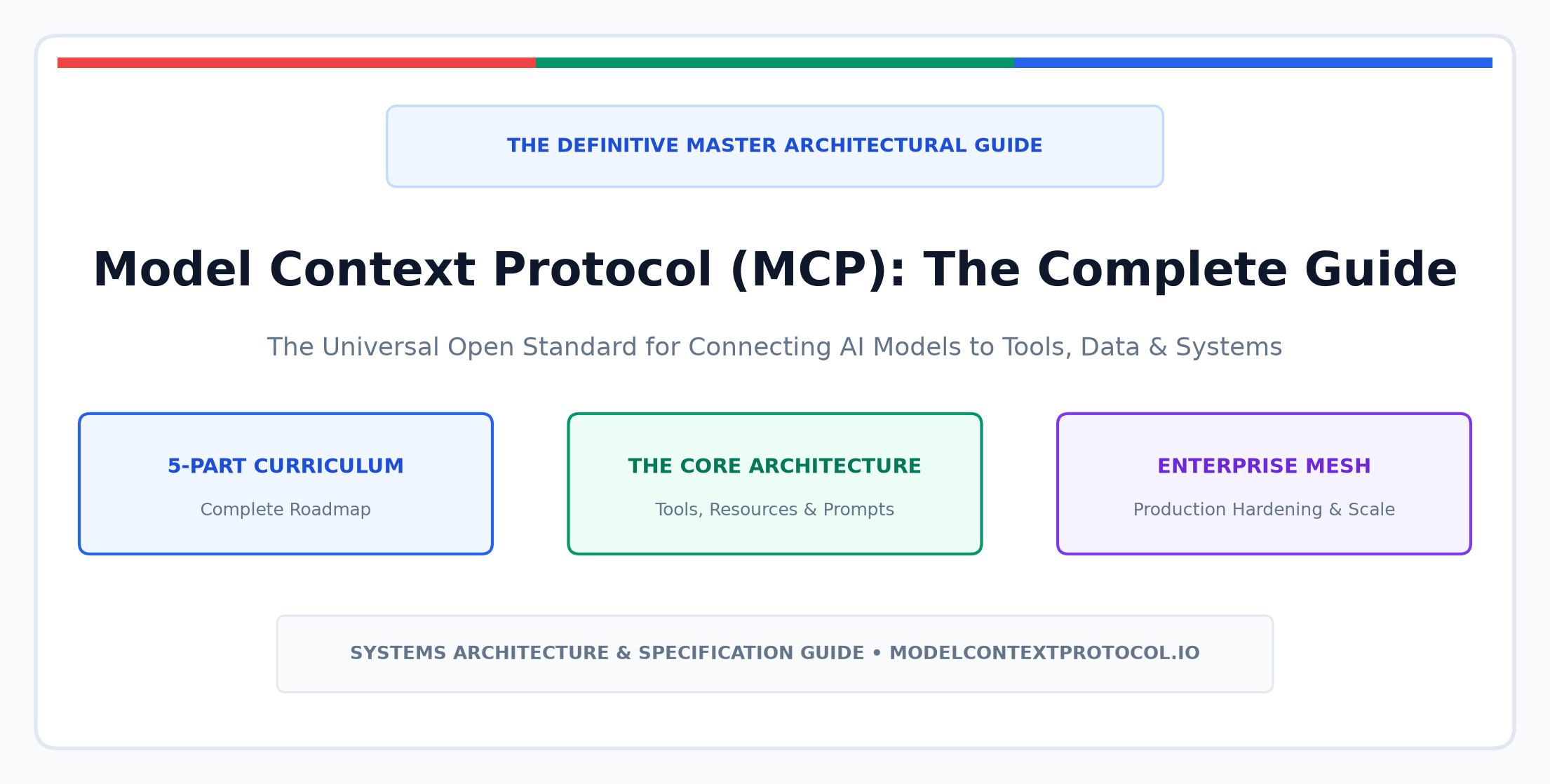
Model Context Protocol (MCP): The Complete Developer Guide
The definitive architectural guide to the Model Context Protocol (MCP). From the first stdio handshake to semantic tool routing, discover how to architect production AI agent systems.
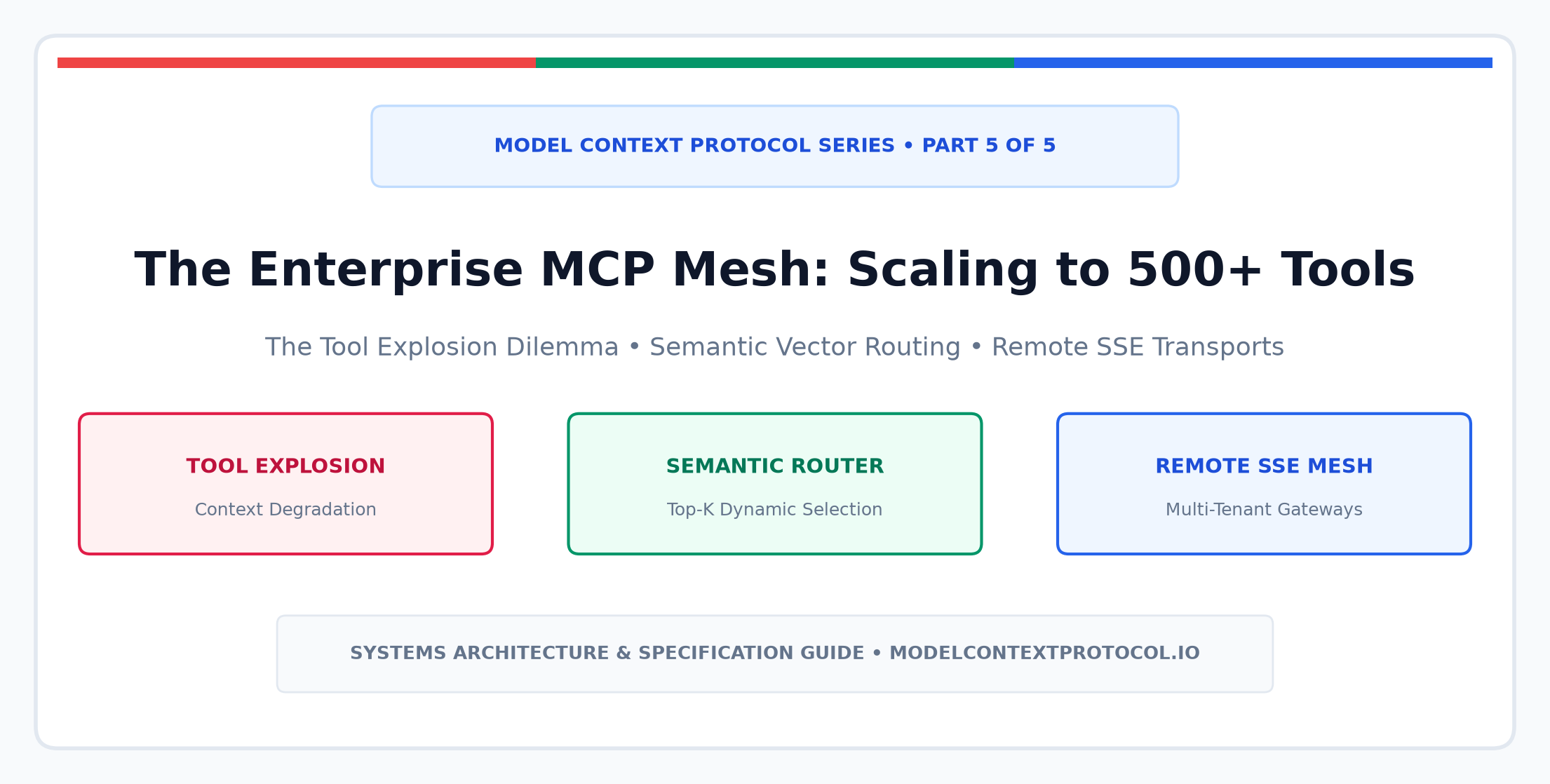
Model Context Protocol (MCP) Explained, Part 5: The Enterprise MCP Mesh: Scaling to Hundreds of Tools
Architecting large-scale agent platforms: solving the tool explosion problem, dynamic semantic tool routing, remote SSE transports, and building an enterprise MCP gateway.
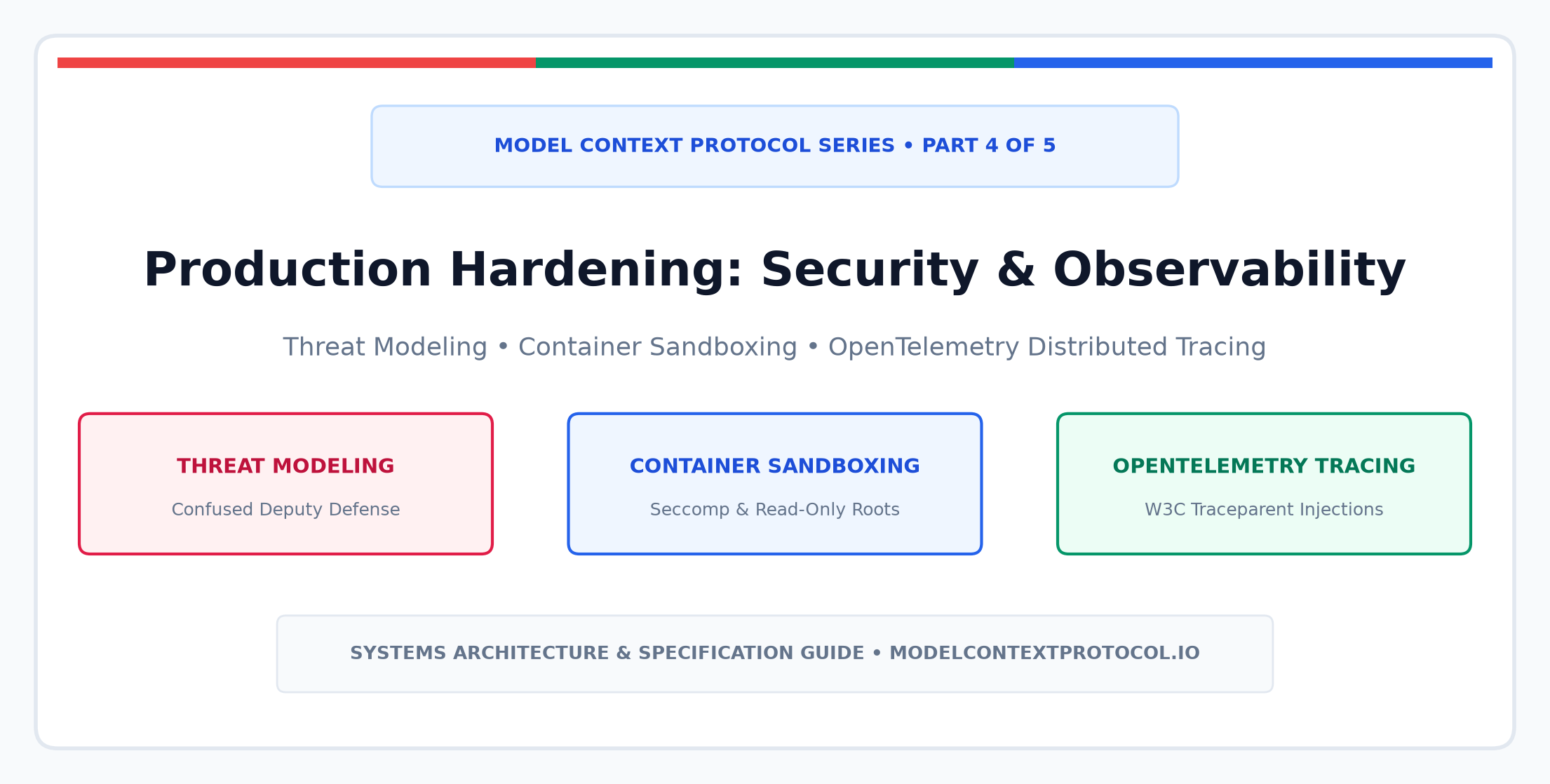
Model Context Protocol (MCP) Explained, Part 4: Production Hardening: Security, Sandboxing & Observability
Production-grade engineering for AI agents: mitigating prompt injection, enforcing container sandboxes, implementing human-in-the-loop authorization gates, and instrumenting OpenTelemetry distributed traces.
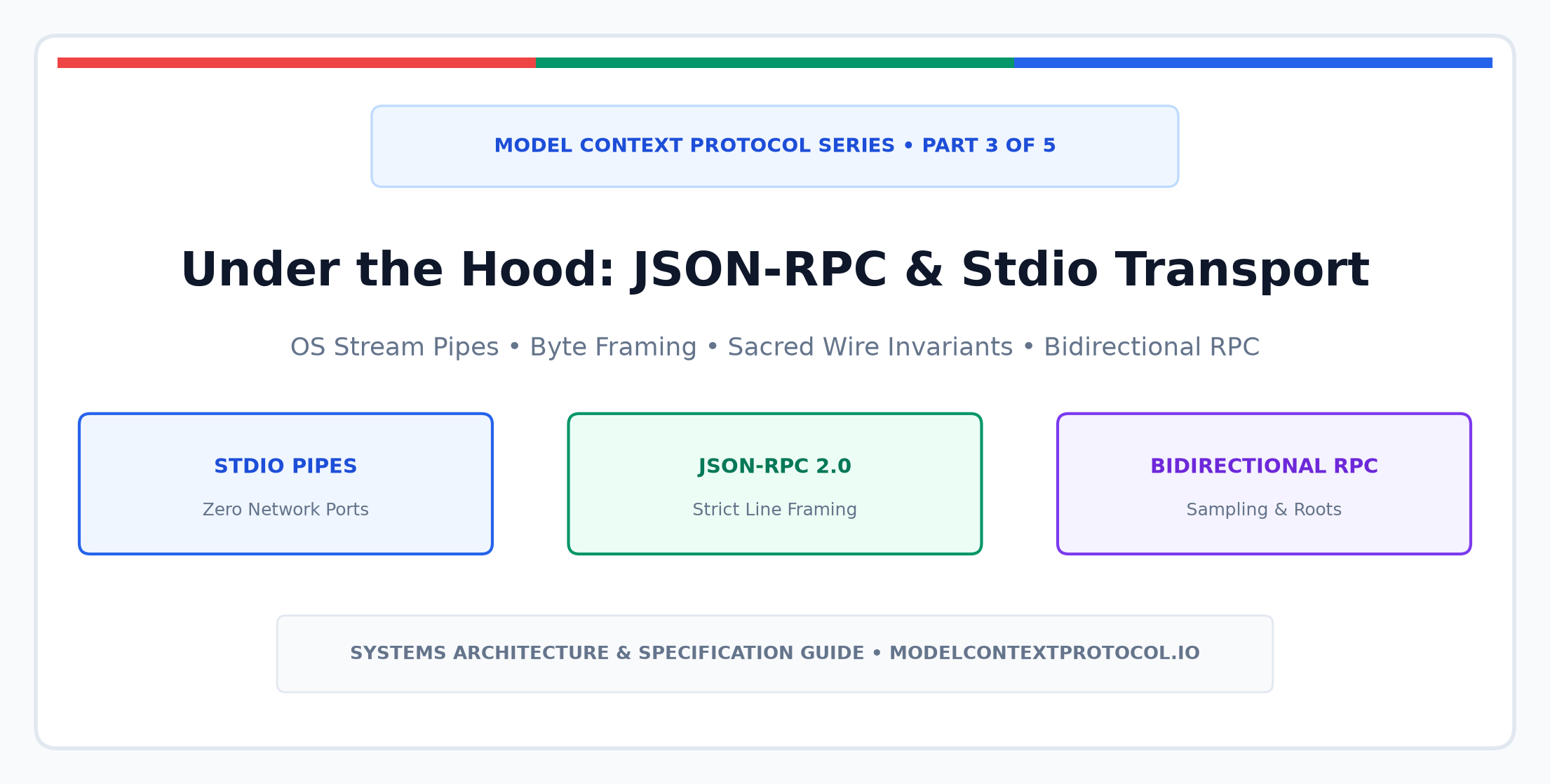
Model Context Protocol (MCP) Explained, Part 3: Under the Hood: JSON-RPC & Stdio Transport
A deep systems dive into the wire level of the Model Context Protocol: newline-delimited JSON-RPC 2.0 framing, OS pipe multiplexing, bidirectional sampling, and zero-dependency transport implementations.
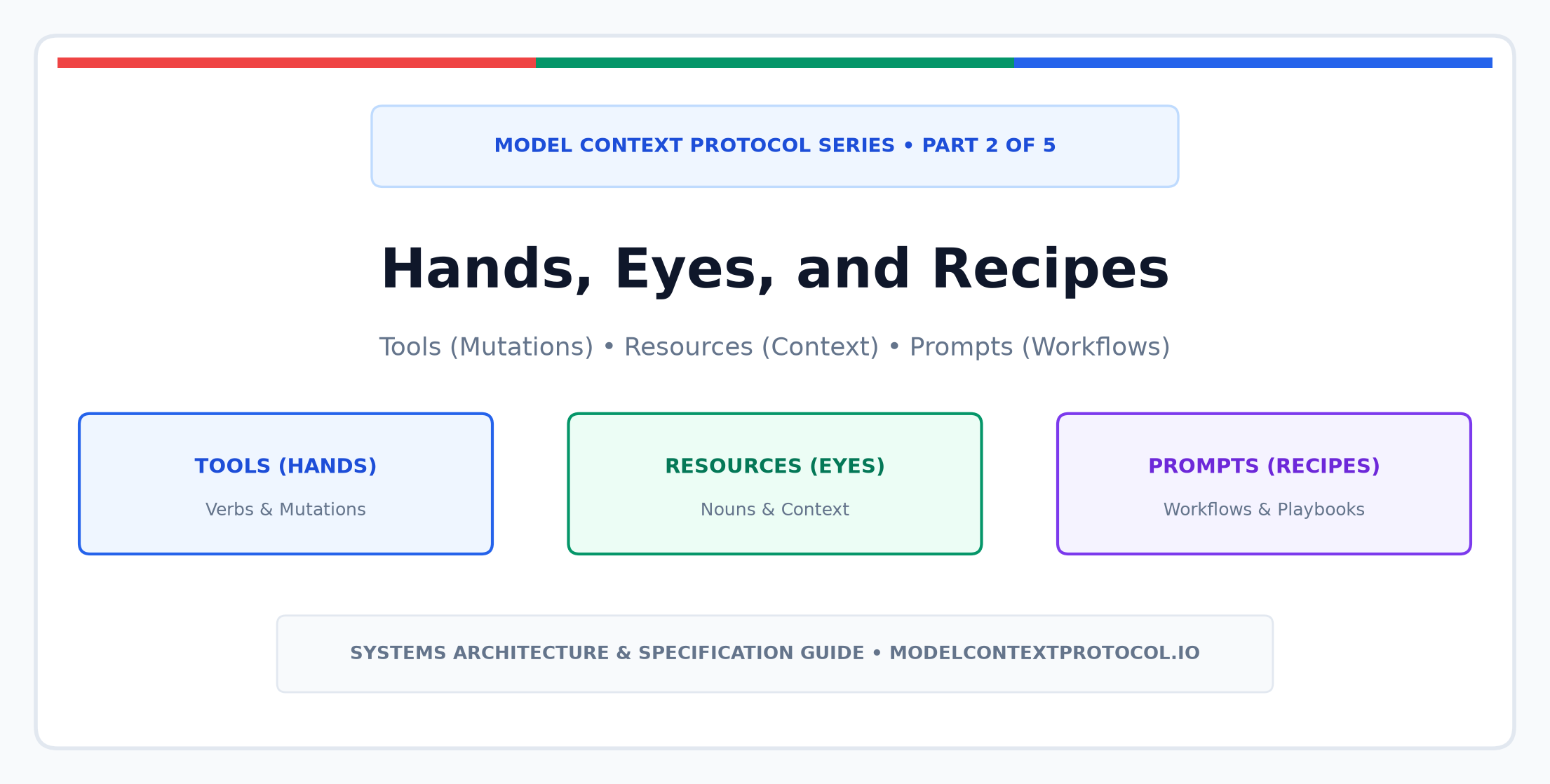
Model Context Protocol (MCP) Explained, Part 2: Hands, Eyes, and Recipes
Explore the three architectural primitives of the Model Context Protocol: Tools (Mutations & Verbs), Resources (Dynamic Context & Nouns), and Prompts (Workflow Recipes). Learn URI routing, client hydration, and build a unified FastMCP server.
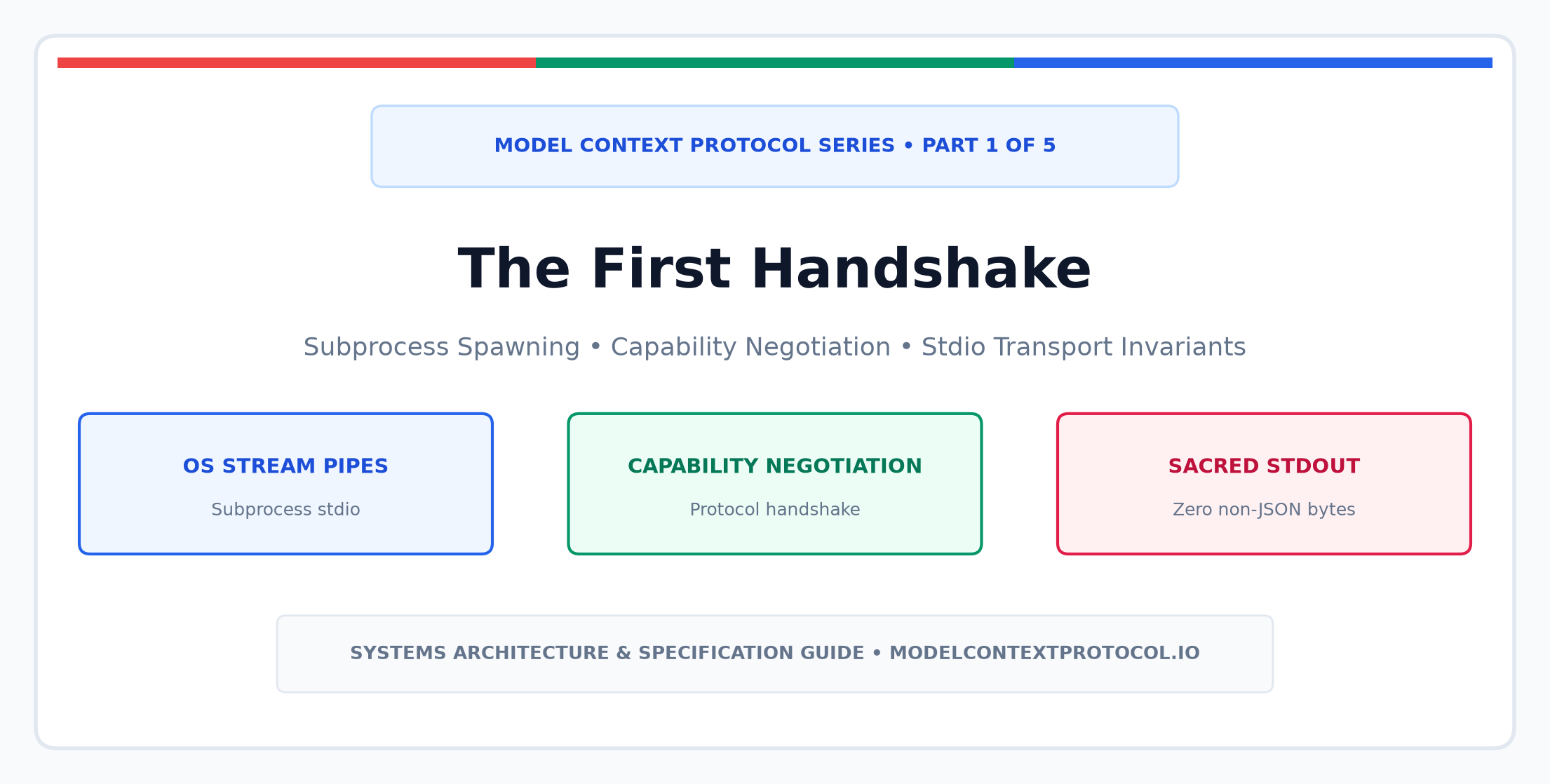
Model Context Protocol (MCP) Explained, Part 1: The First Handshake
A developer's guide to the Model Context Protocol (MCP). Learn how AI models connect to tools over JSON-RPC 2.0 stdio pipes, capability negotiation, and why stdout is sacred.

From Demo to Dependence: The Moment a Product Becomes Unavoidable
Understanding the shift from "cool tool" to "critical infrastructure" and why most startups fail to bridge the gap.
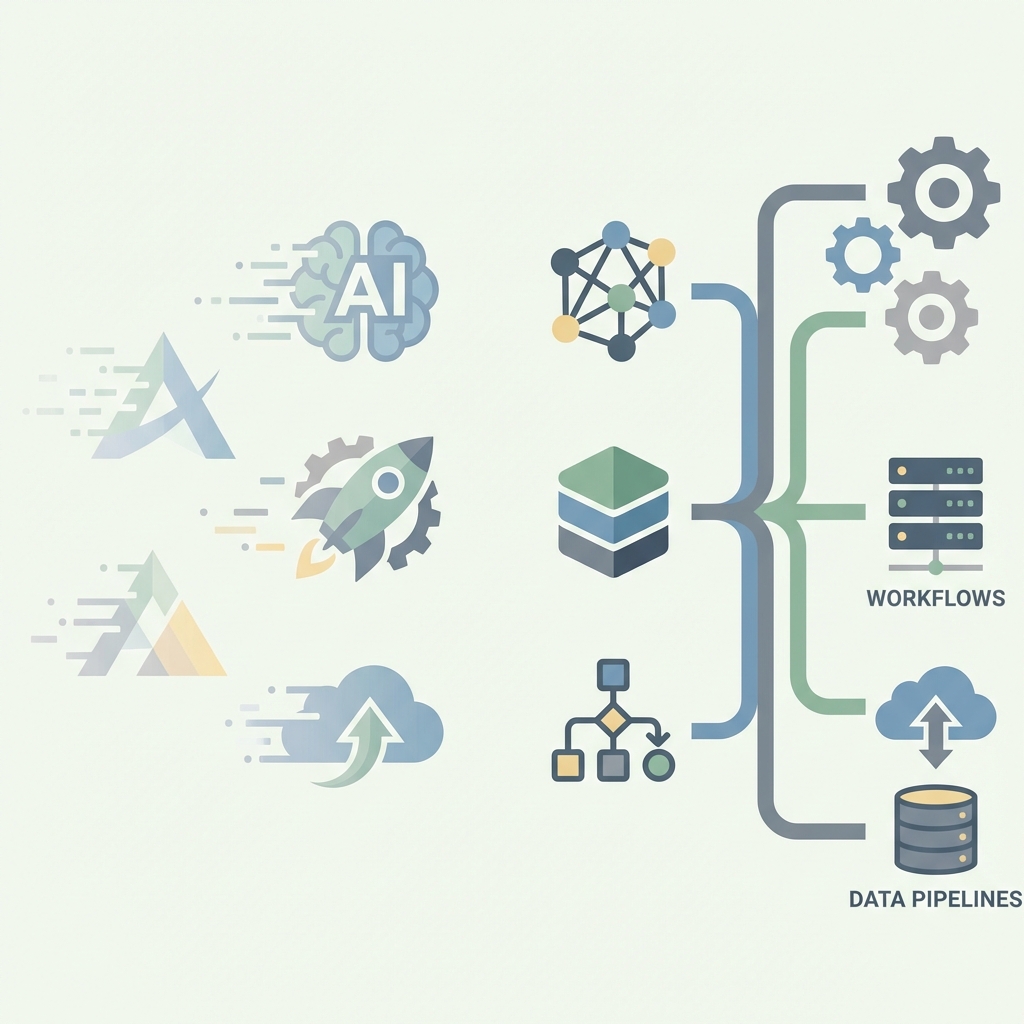
Most AI Startups Are Replaceable. Here’s the Pattern
Why 'AI wrapper' isn’t the real problem — and what actually survives. A deep dive into workflow, data, and irreversibility.

The Solopreneur Operating System: How Working Professionals Build Startups Without Burning Out
How working professionals build startups without burning out — a systematic approach to side projects that actually ship

What Seed Funding Actually Means for Founders
A founder-first guide to understanding seed funding as a test of judgment and a mechanism for proving core hypotheses.
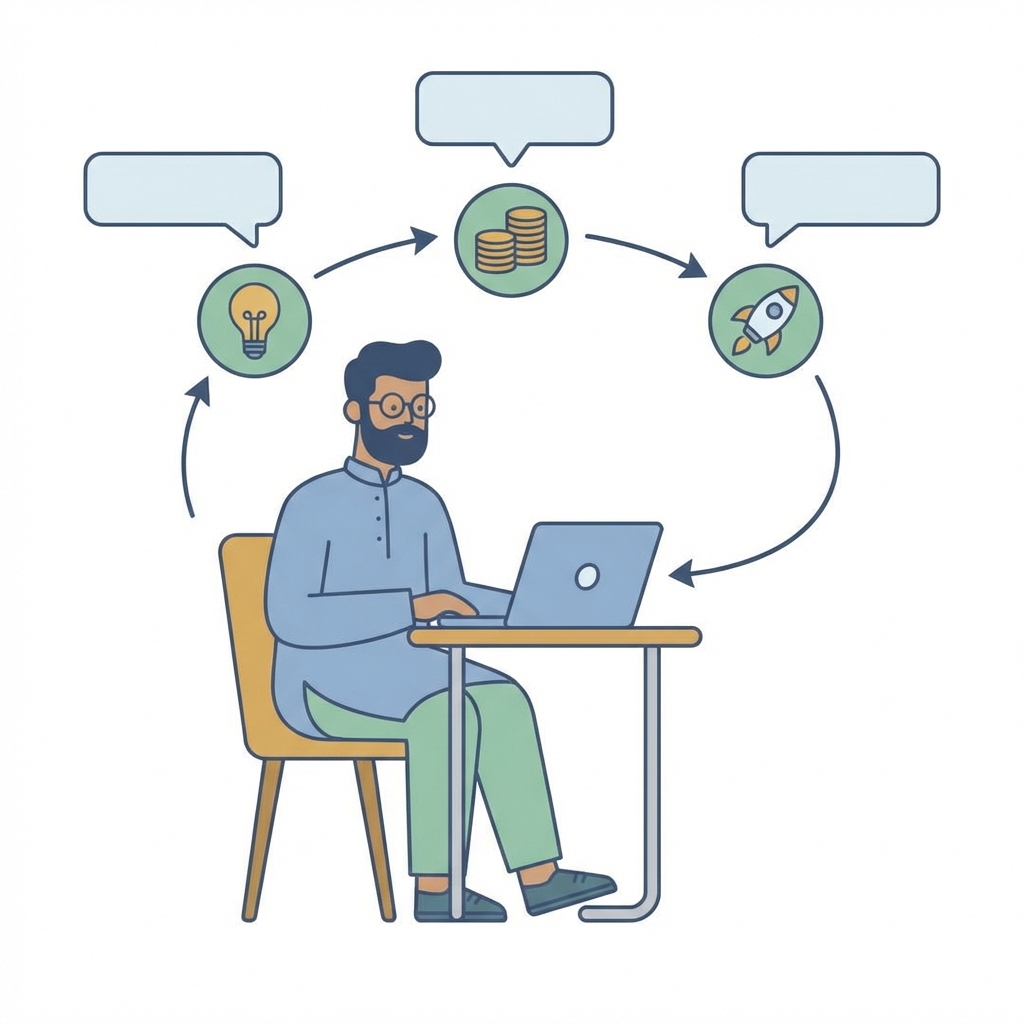
Company Registration Options in India
A simple, working-professional-friendly guide (from side project to startup)
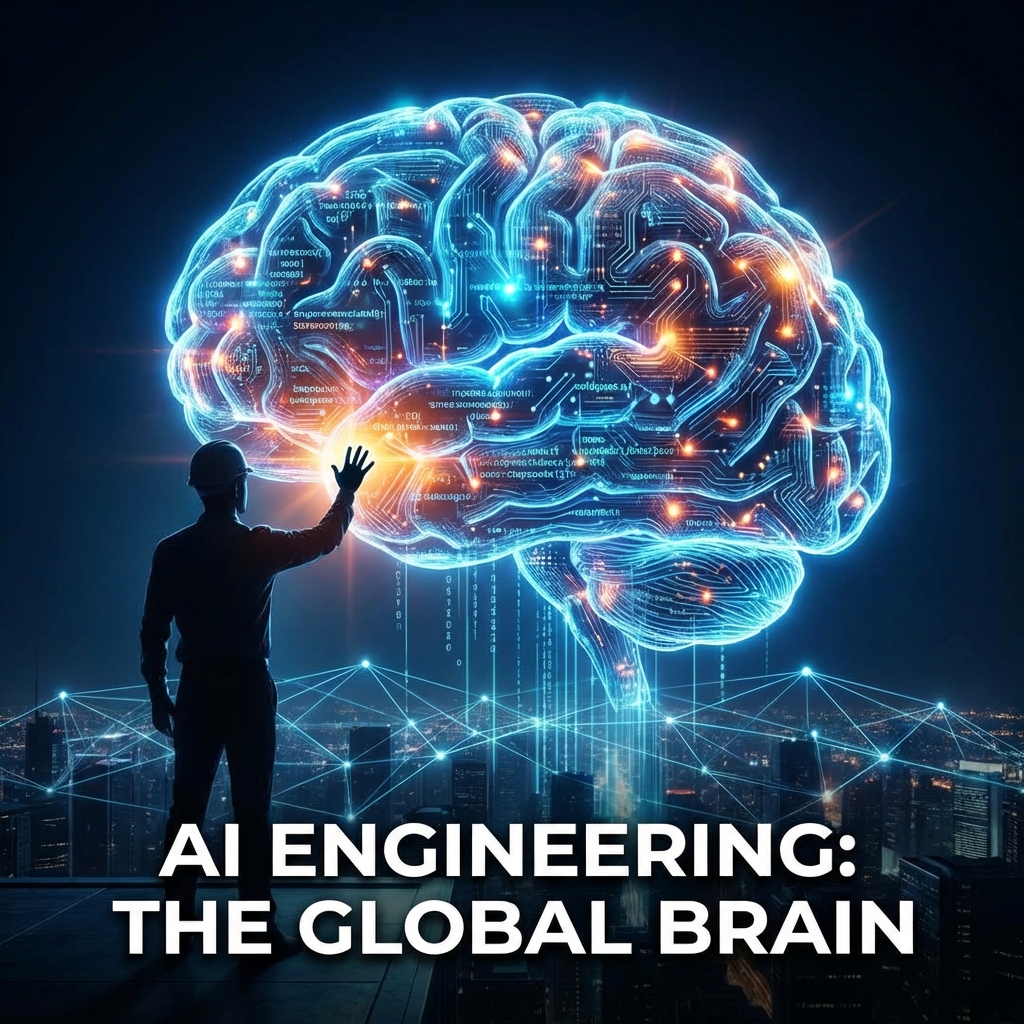
The Future of AI Engineering: From Prompting to Agents
Why the next phase of AI isn't about better models, but about building intelligent agentic systems that actually get work done.
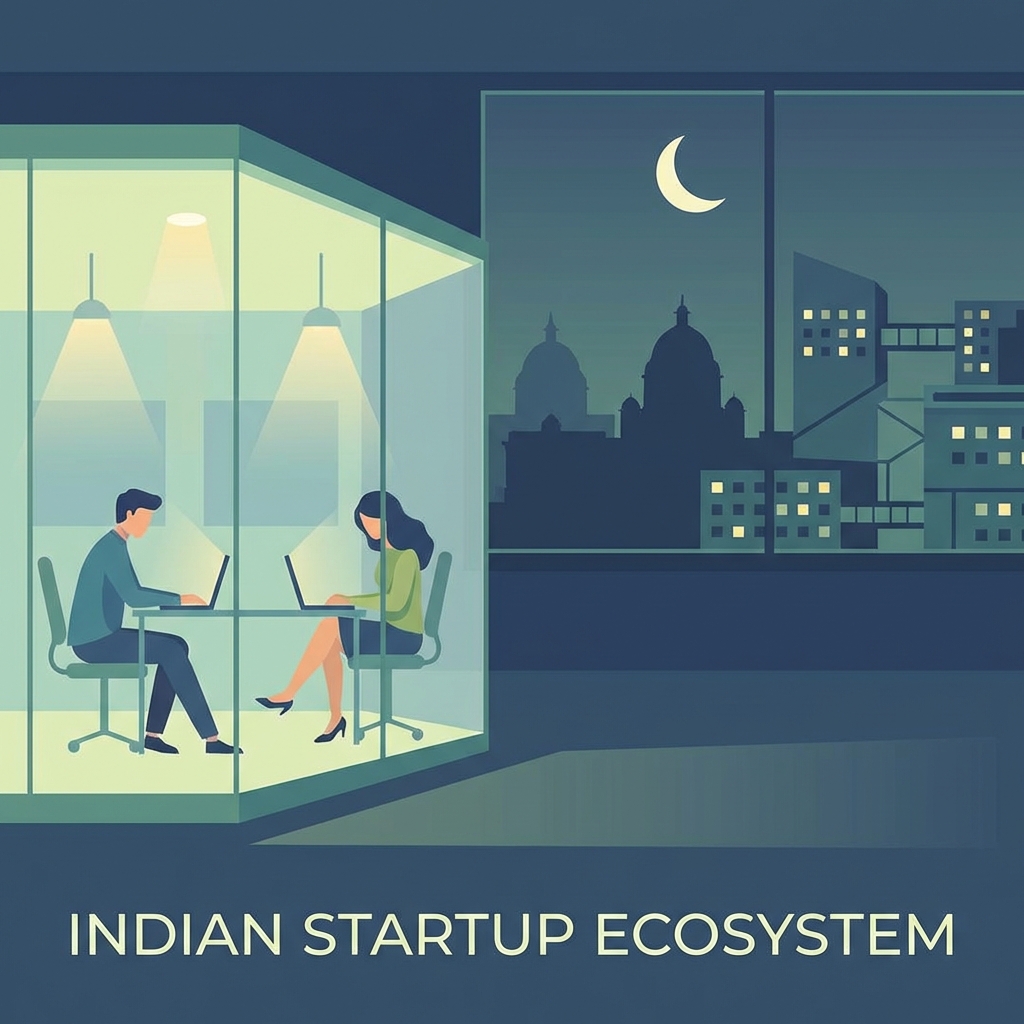
The Incubation Engine: Strategic Alpha and the High-Stakes Founder's Playbook
Deconstructing the hidden mechanics of incubators—how to leverage structural support without sacrificing equity or focus.
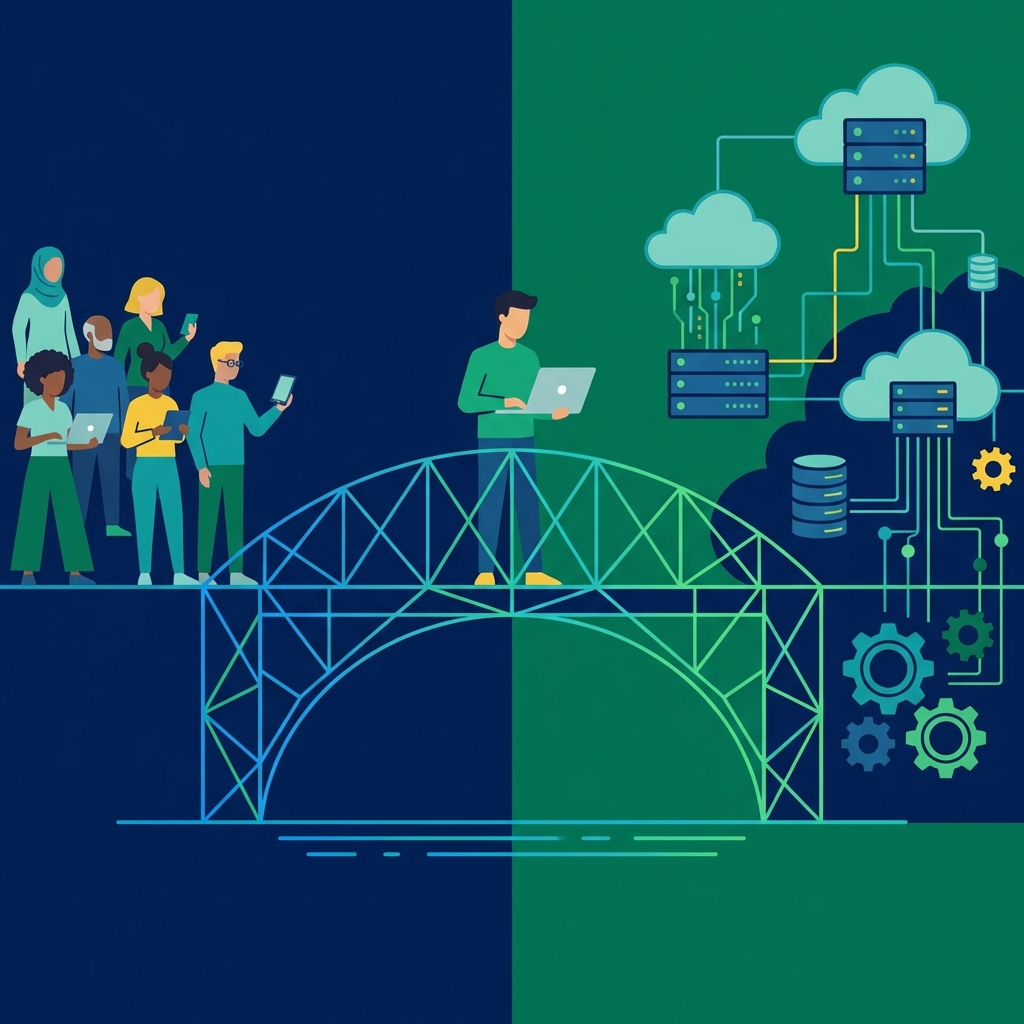
The Rise of the Product Engineer: Why Startups No Longer Need 'Full-Stack' Developers
Why the modern engineering frontier is moving away from technical layers towards product outcomes. A deep dive into the shift from full-stack to product-centric engineering.
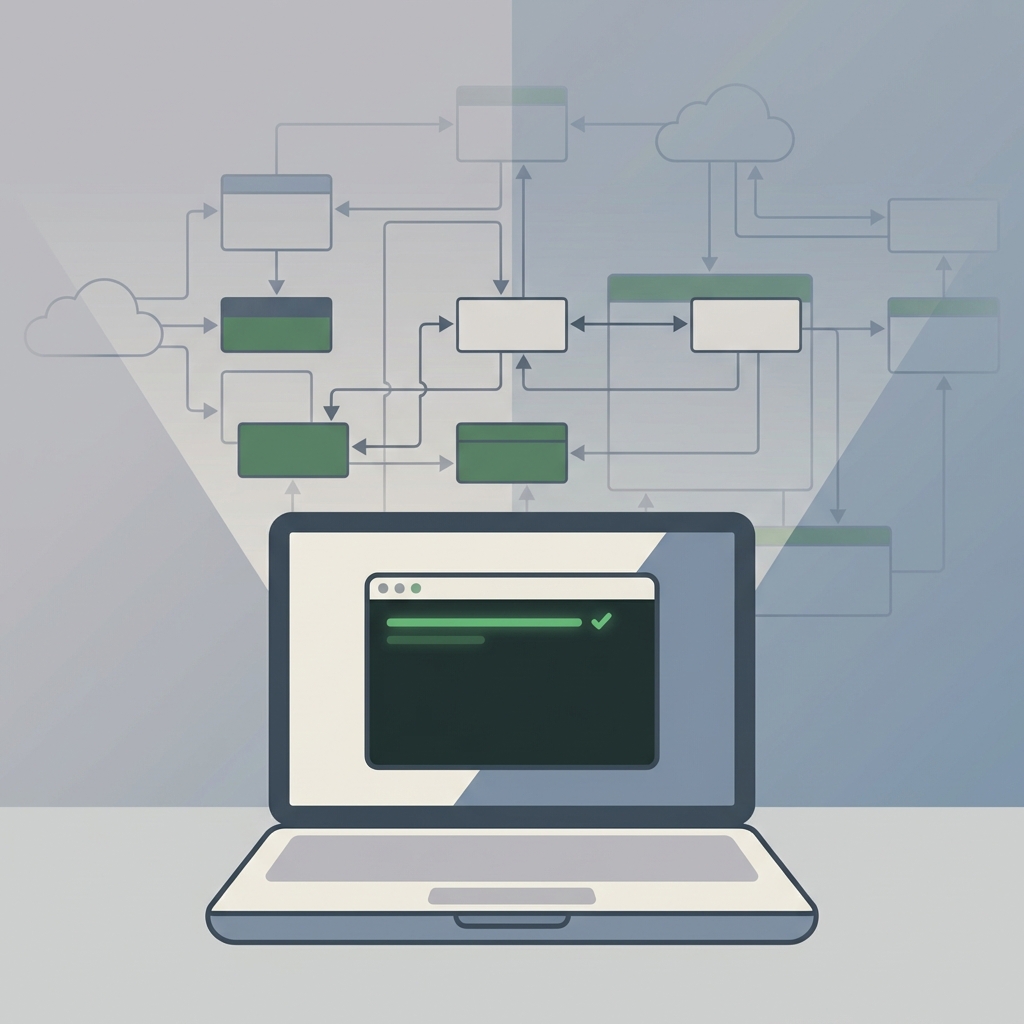
Minimum Viable Product: Engineering Wisdom That Beats Perfect Architecture
Why MVPs win where clean architecture, funding, and talent often fail. A deep dive into intentional incompleteness, feedback systems, and building products that should exist.
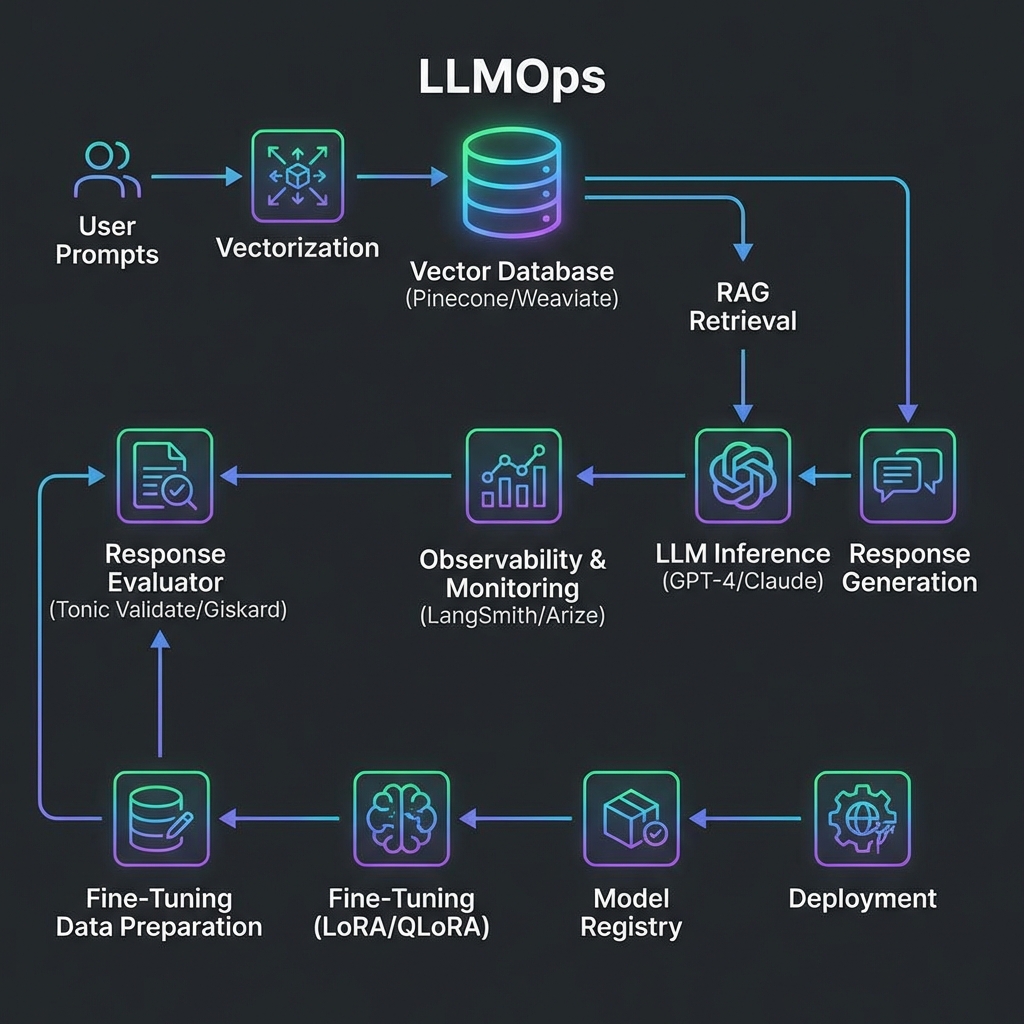
LLMOps: The New Infrastructure Frontier
How to scale generative AI from prototype to production using the Staff Engineer's guide to LLM infrastructure.

SRE Metrics That Actually Matter
Going beyond the Golden Signals: How to measure impact and reliability at Staff Engineer scale.

System Design: Scaling to 100 Million Users
The architectural evolution required to support massive scale, from load balancing to sharding.
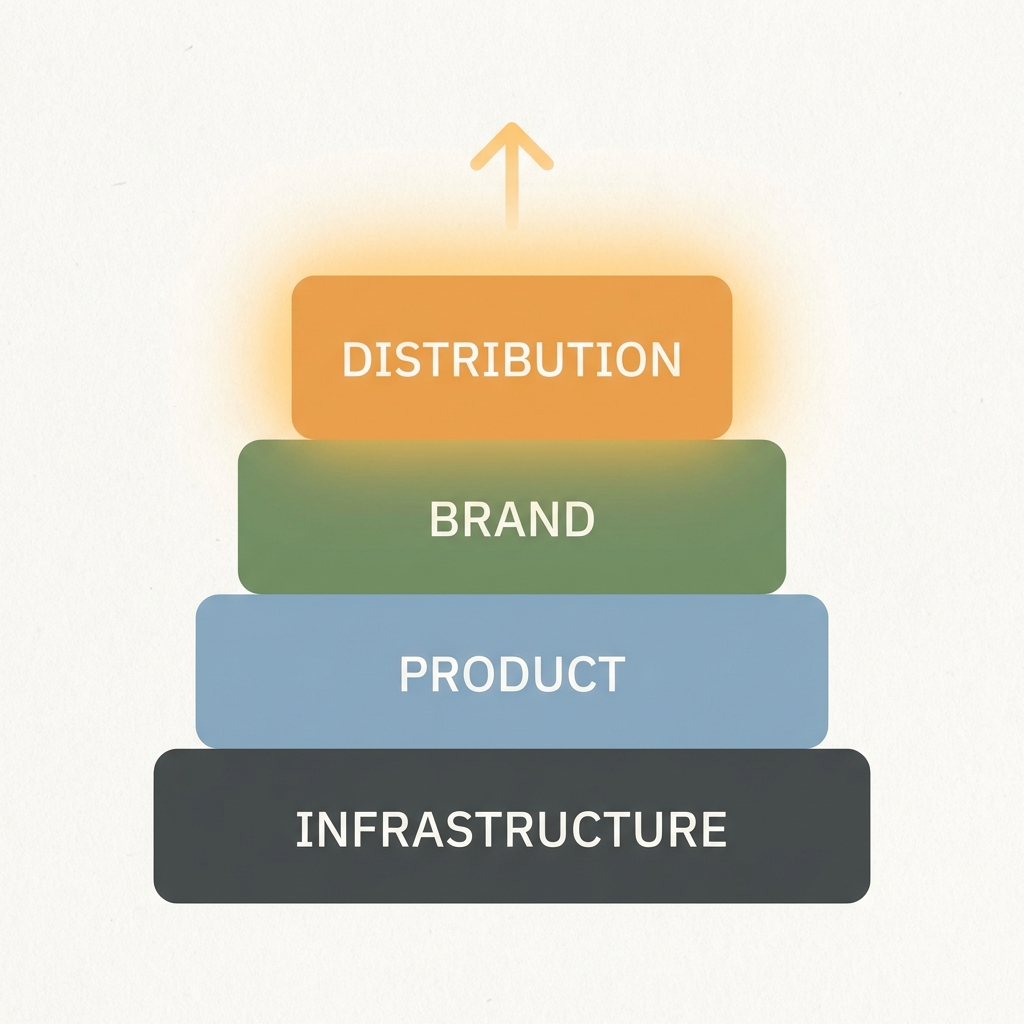
White Labeling: The Shortcut That Teaches You More Than It Pays
An in-depth look at white labeling in business: understanding the layers of risk, the distribution advantage, and how to avoid the common traps of dependency.