White Labeling: The Shortcut That Teaches You More Than It Pays
Introduction — The Comfortable Lie
White labeling is often sold as a shortcut.
“Launch fast.”
“No tech needed.”
“Focus on marketing.”
All true — and still misleading.
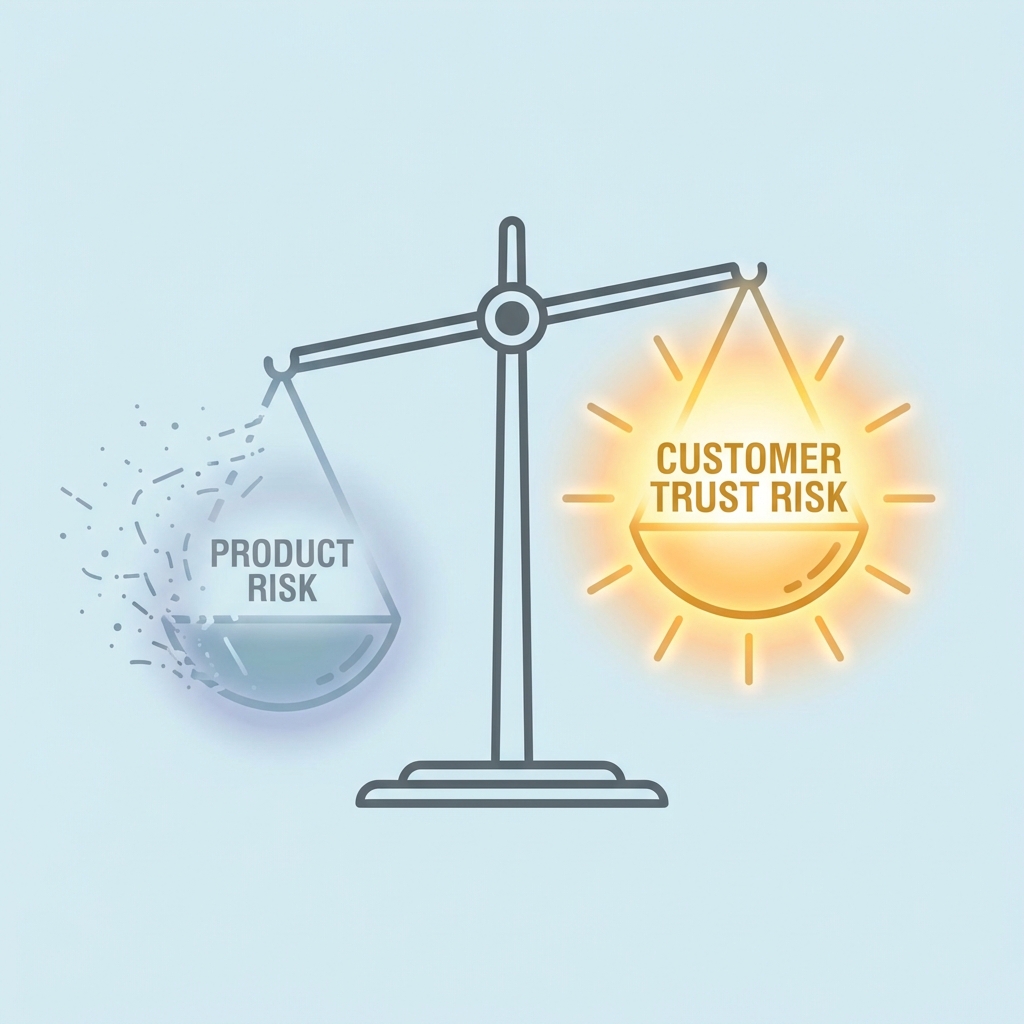
White labeling doesn’t eliminate risk. It reassigns risk from building products to owning trust, distribution, and dependency.
This post isn’t arguing for or against white labeling. It’s about understanding what it’s actually good for — and why most founders misuse it.
What White Labeling Really Is
The surface definition is simple:
Selling someone else’s product under your brand.
A more useful mental model:
White labeling = outsourcing product risk while fully owning customer risk.
What you avoid:
- Engineering complexity
- Infrastructure scaling
- Regulatory depth (sometimes)
What you inherit:
- Customer expectations
- Support pressure
- Reputation damage
- Dependency on someone else’s roadmap
When things break, users don’t blame your supplier. They blame you.
The Hidden Stack Behind Every White-Labeled Business
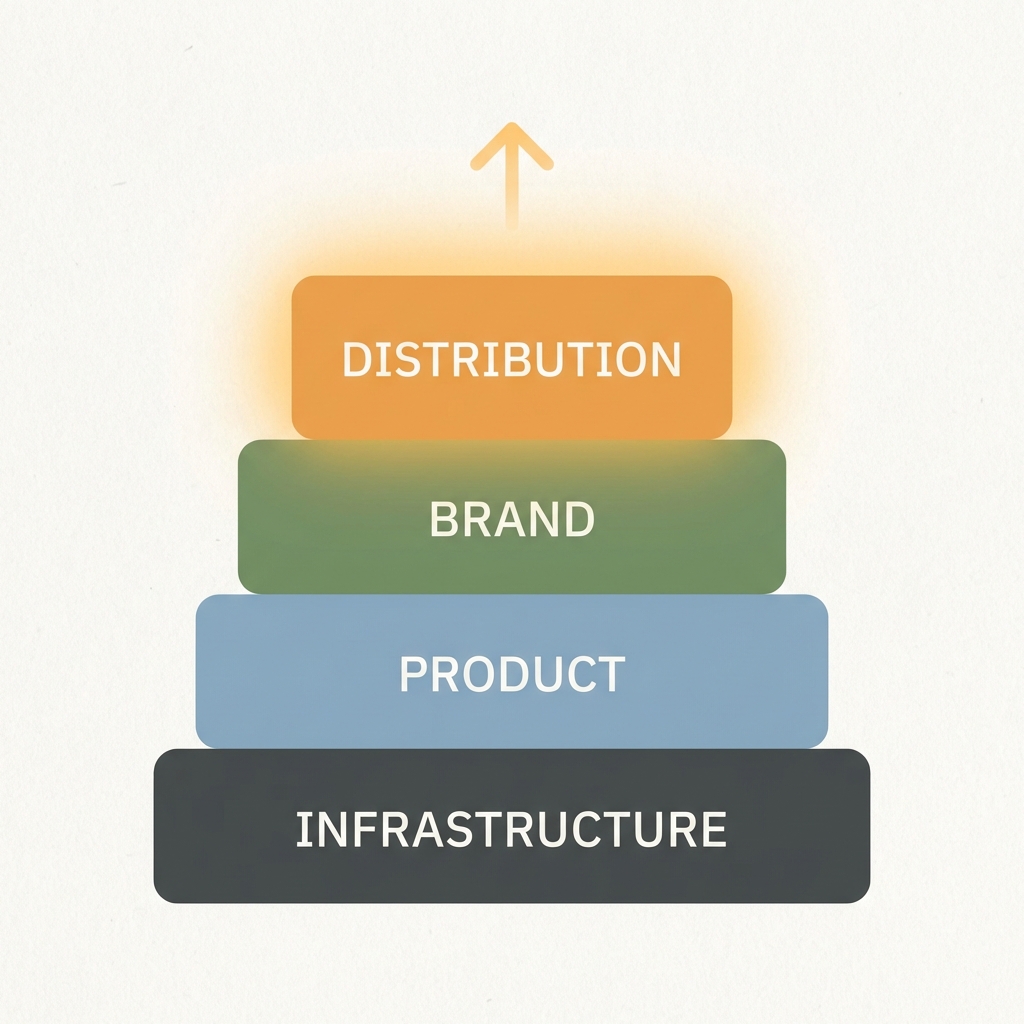
Every white-labeled company quietly operates on four layers:
- Core Product (Not Yours): Software, APIs, factories, logistics, infrastructure.
- Branding & UX (Underrated): Naming, onboarding, positioning, tone — usually rushed.
- Distribution (The Only Compounding Asset): SEO, ads, sales, partnerships, communities.
- Customer Relationship (The Real Work): Support, refunds, reassurance, trust repair.
Most founders think they’re building Layer 1. In reality, they’re only allowed to compete in Layers 3 and 4.

White Labeling in the Wild — Real Examples Across Industries

SaaS & Developer Platforms
Twilio
Thousands of startups built SMS, OTP, and voice products entirely on Twilio.
- Twilio stayed invisible
- Founders focused on sales and UX
- When Twilio raised prices, margins collapsed overnight
Lesson: White labeling works — until the infrastructure provider reclaims leverage.
Stripe
Many SaaS products “sell payments,” but Stripe:
- Handles compliance
- Manages fraud
- Owns the financial rails
Over time, Stripe moved up the stack with Billing, Atlas, and Identity — directly competing with some customers.
Pattern: Infrastructure providers always have the option to become the product.
E-Commerce & Consumer Brands
Amazon Basics
Amazon analyzed third-party sellers and then:
- White-labeled top-selling products
- Used logistics and trust advantage
- Priced aggressively
This is reverse white labeling — the platform eats the reseller.
Lesson: If you don’t own distribution, someone who does can replace you.
Indian D2C Brands (Skincare, Nutrition, Fashion)
Many fast-growing brands:
- Use the same manufacturers
- Share near-identical formulations
- Compete mainly on Instagram storytelling
Reality: Early differentiation comes from brand and distribution, not product originality.
FinTech & Embedded Finance
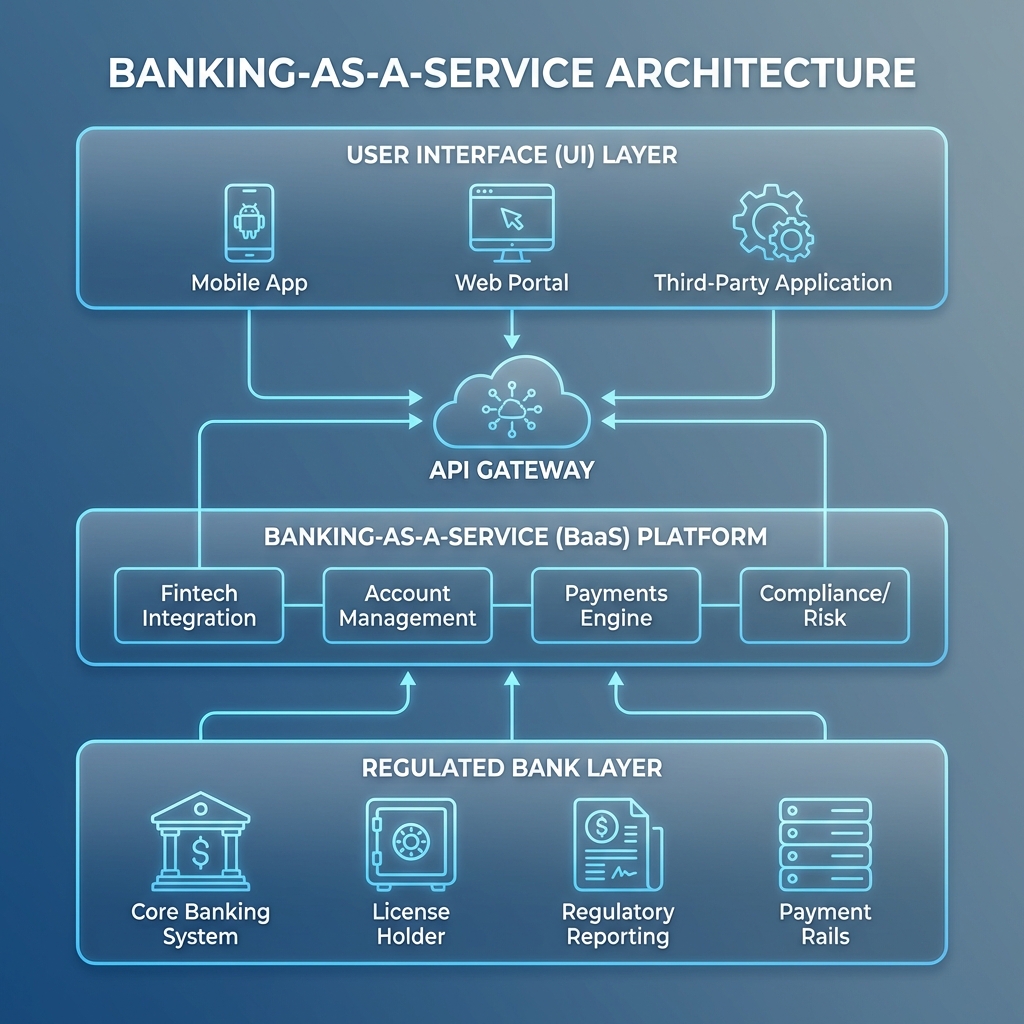
Most neobanks are:
- UI + onboarding + marketing
- Built on licensed banks and BaaS providers
When regulations tightened in India:
- Several fintechs froze overnight
- The dependency risk became visible
Truth: White-labeled finance is powerful — and extremely fragile.
EdTech & Corporate Learning
White-label LMS platforms power:
- Corporate training portals
- Coaching institutes
- Internal upskilling tools
Buyers rarely ask: “Who built this platform?”
They ask:
- Does it work reliably?
- Can you support us?
- Can you customize reports?
Insight: Outcomes beat originality.
Mobility, Logistics & Infra
Early-stage startups often:
- White-label fleet software
- Use generic logistics APIs
- Differentiate only on partnerships
Most never escape this phase. Why? They optimize for speed — not control.
The Three White Label Traps
Trap 1: “We’ll Build Our Own Later”
Later almost never comes. Cash flow creates comfort, and comfort kills urgency.
Trap 2: Thin Margins, High Stress
White-label businesses often have 10–30% gross margins, yet heavy support overhead and constant price pressure. You work harder than SaaS founders — with less leverage.
Trap 3: Supplier Fragility
If your upstream provider changes pricing, alters terms, or enters your market, your business can collapse without warning.

When White Labeling Is Actually Smart
White labeling works when used intentionally.
As a Distribution Test
Can you acquire customers cheaply? Can you earn trust? Can you retain users? If yes — that’s signal.
As a Wedge
Start generic → go niche → add proprietary workflows. Over time, the white-labeled core becomes invisible.
As a Cash Engine (Rare, Disciplined)
Some founders use white labeling to fund a bigger vision or buy time to build real IP. This only works with a clear exit plan.
The Question Every Founder Must Answer
If my supplier disappears tomorrow, what do I still own?
If the answer isn’t Distribution, Brand trust, or Customer insight, you don't have a business. You have temporary access.

Final Thought
White labeling isn’t cheating. It’s training.
But training only helps if:
- You know what skill you’re developing.
- You know when to stop practicing and start building.
Used wrongly, white labeling delays real work. Used correctly, it teaches you exactly what to build next.