SRE Metrics That Actually Matter
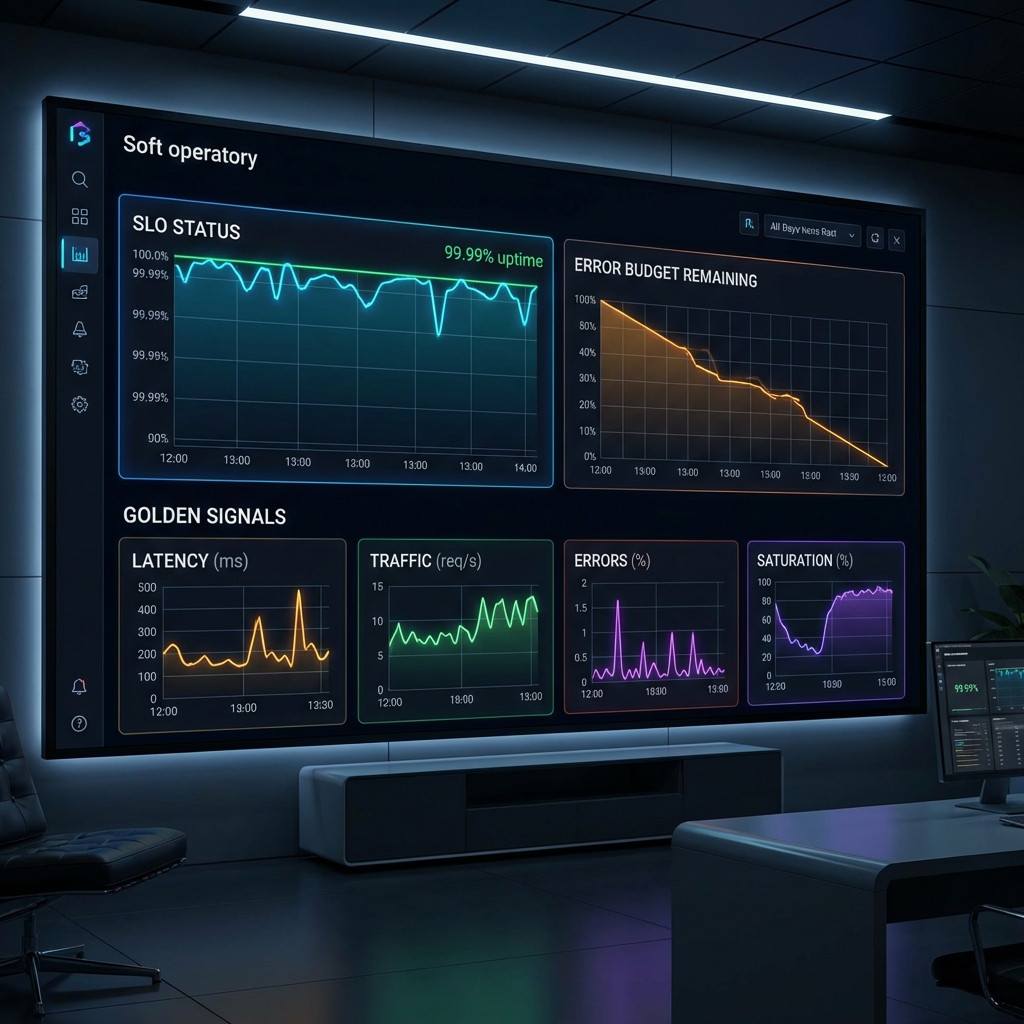
Introduction — The Uptime Myth
"We had 99.99% uptime last month!" sounds like a victory. But if your users were experiencing 5-second latencies or broken checkout buttons, that number is a lie. In modern SRE (Site Reliability Engineering), uptime is a vanity metric.
At the Staff level, we care about Reliability from the user's perspective.
The SLO Paradox: Reliability is a Feature
Every 9 you add to your uptime goal makes development slower and more expensive. 100% reliability is almost always the wrong target.
The SLO (Service Level Objective) is the bridge between business needs and engineering reality. It defines the point where the user starts getting frustrated.
- SLI (Indicator): What we measure (e.g., Latency).
- SLO (Objective): The target (e.g., 95% of requests < 200ms).
- Error Budget: The remaining "allowed" failure.
"If you have an error budget left at the end of the quarter, you're not moving fast enough."
Moving Beyond the "Golden Signals"
While Latency, Traffic, Errors, and Saturation are important, they don't tell the whole story. To truly measure impact, consider:
- MTTD (Mean Time to Detect): Automated monitoring should be the first to know, not a customer on Twitter.
- Cost per Reliable Request: How much are we over-provisioning to stay "safe"?
- Change Failure Rate: How many of our deployments lead to an immediate rollback?
Conclusion
Systems exist to serve users, not to stay alive. The best SREs aren't the ones who keep the lights on no matter what; they are the ones who use data to decide when it's safe to take risks and when it's time to pause and focus on stability.